Thinking about buying in Florida without living here yet? That can feel exciting and a little overwhelming at the same time. If Sugarmill Woods is on your shortlist, the good news is that you can narrow your options, verify the right details, and even handle parts of the closing process remotely when you have a clear plan. Let’s dive in.
Why out-of-state buyers look at Sugarmill Woods
Sugarmill Woods is a census-designated place in Citrus County with 11,204 residents, according to the 2020 Census. It is a highly owner-occupied community, with 96.4% of housing units owner-occupied in the 2020-2024 American Community Survey. That tells you this is generally a market where many owners live in and maintain their properties rather than a place dominated by frequent turnover.
For many out-of-state buyers, that matters. You may be looking for a full-time home, a second home, or a property that fits a long-term lifestyle change. Sugarmill Woods often appeals to buyers who want an established community with deed restrictions, a range of home types, and amenities that support everyday living.
The area also skews older, with 53.1% of residents age 65 or older. That does not define who can buy here, but it does help explain why many buyers are drawn to practical layouts, long-term ownership, and community rules that help maintain consistency. If you want a place where owner occupancy is common and neighborhood structure is a big part of the appeal, Sugarmill Woods stands out.
Know the village before anything else
One of the most important things to understand is that Sugarmill Woods is not a single one-size-fits-all HOA community. It is organized around three deed-restricted villages: Cypress Village, Oak Village, and Southern Woods. That village structure affects fees, rules, required memberships, and how you should handle due diligence.
This is why out-of-state buyers should start with one basic question: What village and sub-association is this property in? If you skip that step, you can easily make wrong assumptions about rental rules, assessments, estoppel fees, or even whether a sub-association has tighter standards than the master association.
Oak Village and Southern Woods both require mandatory membership for all parcel owners. Cypress Village works differently as a master POA with 13 sub-associations, and some of those sub-associations may have their own added assessments and separate estoppel processes. In short, the exact address matters more here than in many communities.
What the civic association does
The Sugarmill Woods Civic Association is separate from the village associations. It is voluntary and currently lists annual dues of $15 per household. Its role is broader community advocacy on issues like utilities, county government, zoning, and resident concerns, rather than day-to-day deed restriction enforcement.
That distinction is helpful if you are relocating from another state and trying to understand who handles what. The civic association is not the same as the mandatory village or sub-association structure tied to a specific property.
Understand fees and ownership costs
Out-of-state buyers often focus on purchase price first, but monthly and annual ownership costs deserve just as much attention. In Sugarmill Woods, those costs can include taxes, insurance, utilities, association dues, and village-specific transaction fees.
The median value of owner-occupied housing units in Sugarmill Woods was $332,600 in the 2020-2024 ACS. Median monthly owner costs were $1,573 with a mortgage and $575 without one. Those figures are broad community snapshots, not a quote for any one property, but they help set expectations.
In Cypress Village, current budget documents show an annual assessment of $132 for FY 2025-2026. The same village materials list a $299 standard estoppel fee, a $418 rush estoppel fee, and a $150 transfer fee collected at closing, with no resale contribution fee. Because Cypress includes sub-associations, these numbers should be treated as a village-level example, not a universal cost for every property in Sugarmill Woods.
Utilities are usually separate
Association dues do not necessarily cover your main utility services. Cypress materials identify Duke Energy for electricity and Citrus County Utilities for water, while trash service is homeowner-selected and not included in the annual assessment. The same materials note Blue Stream fiber and Spectrum as available options.
That is an important budgeting detail if you are moving from a state or community where more services are bundled. When comparing homes, ask for a breakdown of recurring costs instead of relying on HOA dues alone.
Property tax timing matters
Citrus County collects ad valorem taxes annually beginning November 1. The property appraiser sets assessed value as of January 1, and unpaid balances become delinquent after April 1. If you plan to make Florida your permanent residence, timing can also matter for tax benefits.
The Citrus County Property Appraiser states that homestead exemption requires permanent Florida residency plus ownership and occupancy as of January 1, with applications due by March 1. The same office says portability may transfer some Save Our Homes savings if a prior homestead was abandoned within the last three years. If your move is tied to residency planning, this is something to review early.
Check rental rules before you buy
If you are considering a second home, future rental use, or an investment angle, do not assume all of Sugarmill Woods works the same way. Rental and occupancy rules can vary by village and sub-association, and those differences can change whether a property fits your goals.
Cypress Village’s current buyer and seller sheet prohibits transient tenants and short-term rental advertising, bars subleasing, and requires minimum lease terms of six months or 180 consecutive days. That means a home in Cypress may not be a fit if your plan is frequent short stays by different renters.
Cypress materials also note there is no pet weight limit at the master level, but sub-associations may be stricter. One Cypress sub-association, The Hammocks, is listed as a 55+ association. These are exactly the kinds of details that out-of-state buyers need to confirm before getting emotionally attached to a property.
Amenities are a mix of community and club life
Sugarmill Woods is known for amenities, but it is important to understand how they are structured. Many of the best-known features are tied to private clubs rather than included in basic HOA dues.
Official club sources describe 36 holes of golf across Sugarmill Woods Country Club and Citrus National Golf Club. The Oak Village Sports Complex includes tennis, pickleball, a junior Olympic pool, fitness, racquetball and handball areas, plus a children’s play area. Community life also includes volunteer and civic groups such as CERT and Crime Watch.
For everyday convenience, the nearby Shoppes of Sugarmill Woods include a Publix grocery store and pharmacy. That makes routine errands simpler, especially if you are planning a full-time move. At the same time, larger shopping and service trips may still require planning around the local road network.
Remote buying is possible in Florida
If you are worried about how an out-of-state closing works, Florida offers a practical path. Florida law authorizes remote online notarization, and the Florida Department of State says a Florida online notary may perform an online notarization even when the signer is outside Florida.
The statutes also provide that a properly performed online notarization satisfies the state notarization requirement. The online notary fee is capped at $25, with separate charges possible for the remote online notarization provider service. In simple terms, that makes remote closing more realistic when the transaction is organized correctly.
This does not mean every part of your purchase should be rushed or handled casually from afar. It means you can coordinate the process more efficiently when your documents, inspection schedule, financing, and title work are lined up in the right order.
A smart due diligence plan
For an out-of-state buyer, the most efficient process is usually not to start with the prettiest photos or even the lowest asking price. It is to verify the property’s legal and practical details first, then move toward inspections and closing.
A strong due diligence sequence in Sugarmill Woods looks like this:
- Identify the exact village and any sub-association.
- Request the correct governing documents and estoppel information.
- Confirm rental rules, pet rules, added fees, and any sub-association restrictions.
- Check parcel-specific details through Citrus County GIS.
- Review inspections, financing, insurance, and closing logistics.
Citrus County GIS is the local source for parcel maps, zoning, roadways, utilities, land use, and flood zone data. That makes it especially useful if you are comparing lots, homes with renovation potential, or properties where flood exposure or utility connections may affect your decision. In Sugarmill Woods, the exact address should always be checked rather than assumed.
What homes you may find here
One reason out-of-state buyers like Sugarmill Woods is the range of property types available. The local brokerage site organizes inventory by village and property type, including residential, townhouse, condo, commercial, multi-family, land, co-op, manufactured, and other categories.
The site also reports a broad current price range of about $10,000 to $2.4 million. That should be viewed as a live market snapshot rather than a pricing benchmark for any single home. Still, it shows that buyers can explore everything from lots and lower-price opportunities to larger or higher-end homes depending on their goals.
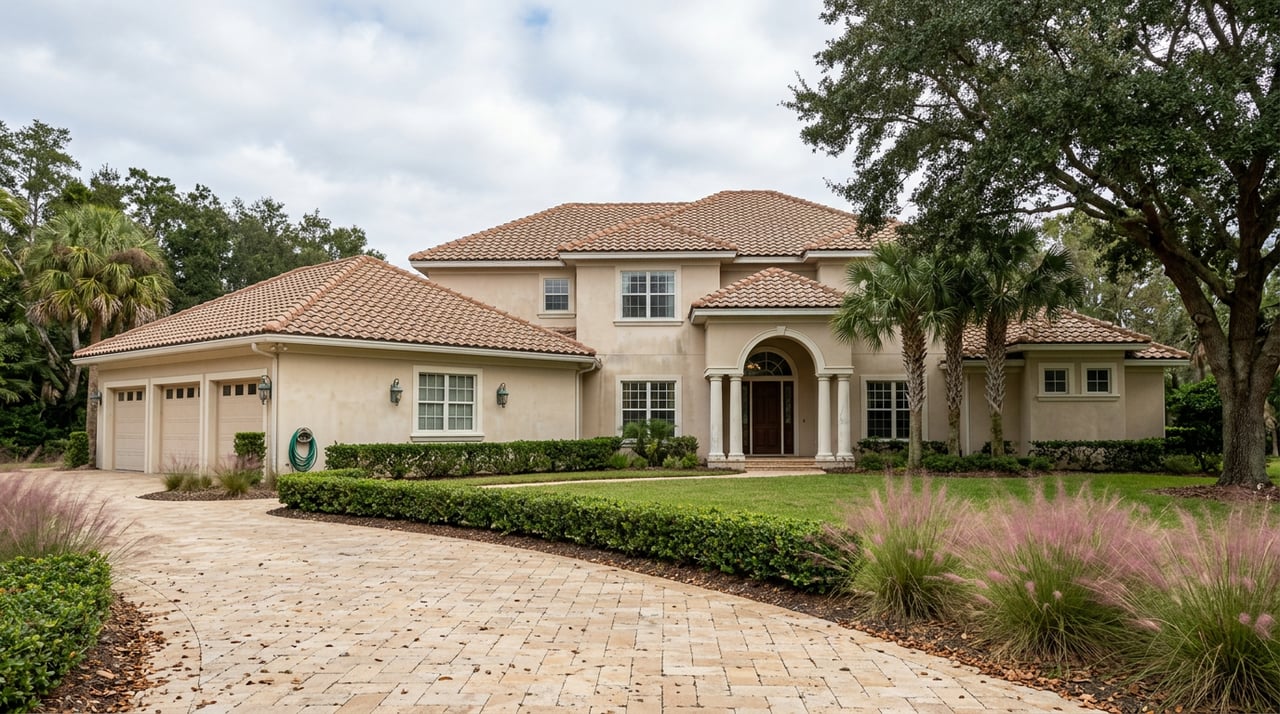
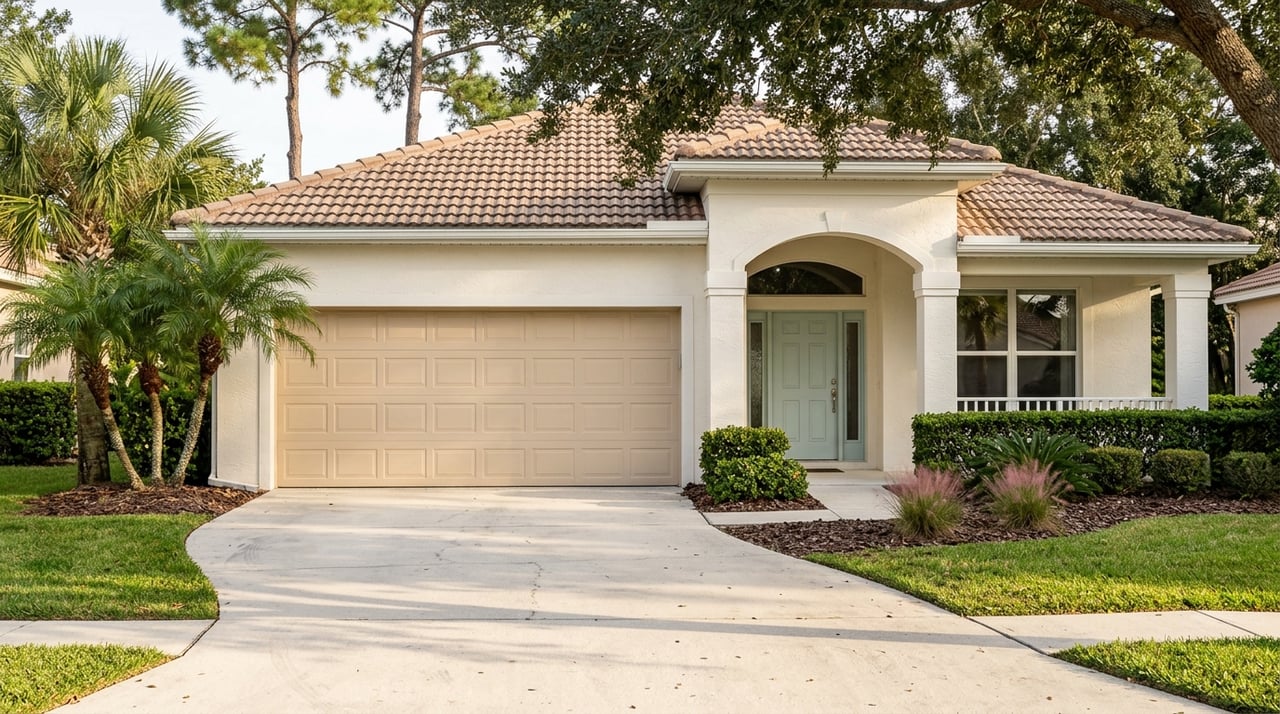
If you are relocating from out of state, that variety can be a real advantage. You may be able to compare a low-maintenance condo, a detached home, a golf-oriented property, or a lot for future building without leaving the broader Sugarmill Woods area.
Why local guidance matters more here
Many planned communities have rules. Sugarmill Woods has layers. That is not a negative, but it does mean local knowledge can save you time and help you avoid surprises.
A hyper-local real estate team can help you compare village structures, spot differences between master and sub-association rules, and make sure your shortlist matches your actual goals. That is especially useful if you are balancing a future retirement move, a seasonal home plan, or a purchase that may later connect to rental or property management needs.
When you are buying from another state, clarity matters. The right guidance helps you focus on the homes that fit, ask better questions early, and move forward with more confidence.
If you are planning a move to Sugarmill Woods or just starting to compare villages and property types, the local team at Sugarmill Woods can help you sort through options and take the next step with confidence.
FAQs
What should an out-of-state buyer verify first in Sugarmill Woods?
- You should verify the exact village and any sub-association first, because fees, rental rules, and governing documents can vary by property.
Can you close remotely on a home in Florida?
- Yes. Florida law allows remote online notarization, and a Florida online notary may perform an online notarization even when the signer is outside Florida.
Are all Sugarmill Woods amenities included in HOA dues?
- No. Many amenities are tied to private clubs rather than basic association dues, so you should confirm what is included for the specific property you are considering.
Are short-term rentals allowed in Sugarmill Woods?
- It depends on the village and sub-association. In Cypress Village, current materials prohibit transient tenants and short-term rental advertising and require minimum lease terms of six months or 180 consecutive days.
How do property taxes work for a home in Citrus County?
- Citrus County collects ad valorem taxes annually beginning November 1, and unpaid balances become delinquent after April 1. Assessed value is set as of January 1.
What kinds of homes can buyers find in Sugarmill Woods?
- Buyers can find several property types, including single-family homes, townhouses, condos, land, manufactured homes, and other categories, depending on current inventory.