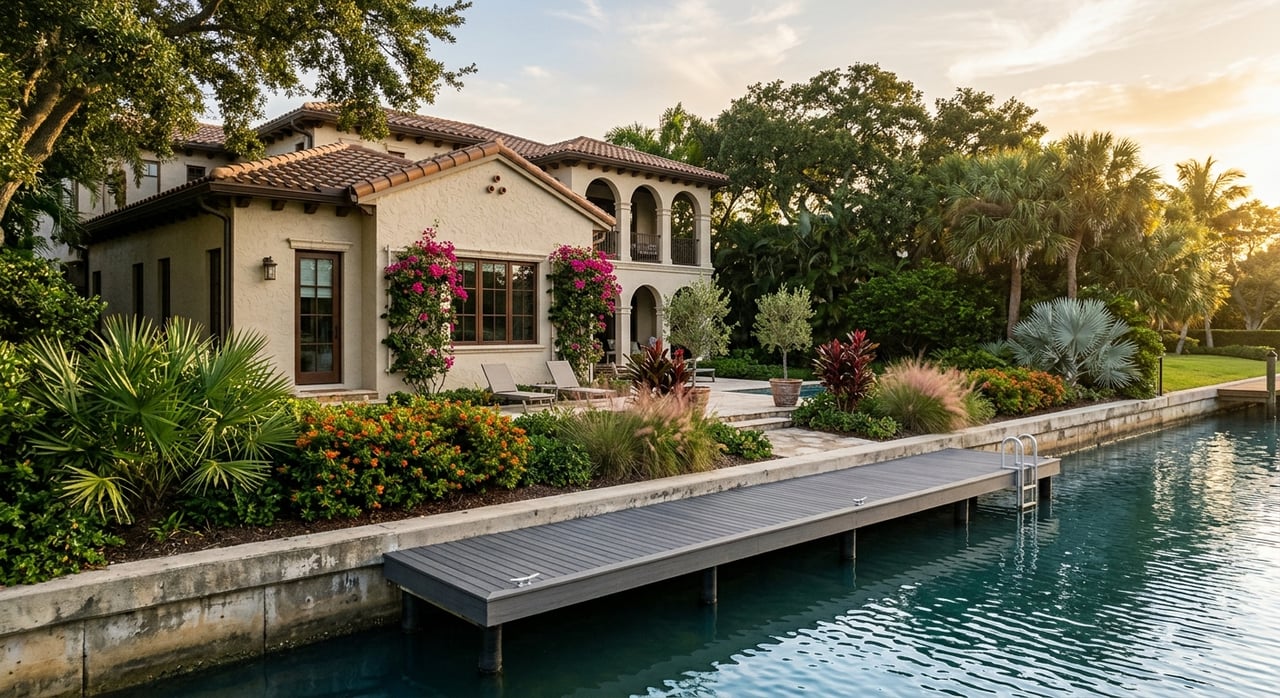
If you are shopping for a waterfront or canal home in Crystal River South, the view is only part of the decision. A property can look perfect online, but the real story often comes down to flood zones, dock permits, seawall condition, and how you can actually use the water year-round. If you want to buy with fewer surprises, this guide will help you focus on the details that matter most. Let’s dive in.
Waterfront inventory in Crystal River South
In this part of Crystal River, waterfront inventory is not one-size-fits-all. According to Citrus County property appraiser records, the area grouped as neighborhood 2160, "Crystal River Waterfront," includes a mix of parcel types.
You may see single-family parcels around 0.22, 0.25, 0.29, and even 6.64 acres, along with vacant waterfront lots around 0.34 to 0.72 acres. Examples appear in subdivisions such as Woodward Park, Magnolia Shores, Crystal Shores Estates, Parker's Haven, Sunset Shores, and Crystal Water Estates. That means you should expect variety, not a standard lot size or a uniform waterfront setup.
For you as a buyer, this matters because lot width, shoreline shape, and existing improvements can affect everything from privacy to dock potential. Two homes in the same ZIP code can offer very different ownership experiences.
Water access matters more than water frontage
A lot that touches water is not automatically a great boating property. In Crystal River, day-to-day usability depends on how the lot connects to the waterway and whether the property supports the kind of setup you want.
The City of Crystal River operates NW 3rd Ave and Pete's Pier boat ramps, along with kayak launch areas at Hunter Springs Park and Kings Bay Park. The city also provides pump-out boat service in Kings Bay. The U.S. Fish and Wildlife Service notes that refuge waters are accessed through city or private ramps, and the refuge itself does not provide water-access facilities.
That is why one of the first questions to ask is simple: can this property realistically support your intended use? If you want a lift, a dock for a certain vessel, or easy paddle access, you need to verify more than the listing description.
Questions to ask about daily use
Before you make an offer, consider asking:
- Does the property have an existing dock or lift?
- Is there permit history for the dock, lift, seawall, or shoreline work?
- Can you reach open water in the way you expect?
- Do seasonal rules affect the route you would use most often?
- Is the home inside city limits, which may affect local services and launch-related considerations?
Manatee rules can affect how you use the water
Crystal River is known for its springs and manatees, and that protected environment comes with real use restrictions. This is not a negative, but it is something you should understand before buying.
The Crystal River National Wildlife Refuge was created to protect Florida manatees. The Florida Fish and Wildlife Conservation Commission notes that the Crystal River and Kings Bay area is the only place in Florida where swimmers are monitored around manatees.
Winter manatee season runs from November 15 through March 31. During that time, seven warm-water sanctuaries are closed to public access, motorized vessels are not allowed inside Three Sisters Springs, and paddlecraft access is also restricted in winter.
Both FWC and FWS prohibit touching, chasing, feeding, or disturbing manatees. In some cases, property owners who must pass through restricted zones to reach their home can obtain a permit.
Why these rules matter to buyers
If you are buying a second home, retirement property, or future rental, you want to know how these rules affect your typical plans. A home that seems ideal for winter boating or paddling may come with seasonal access limits that change how often and when you use it.
The environmental setting also explains why shoreline work can be more regulated here than buyers expect. The Nature Coast Aquatic Preserve includes seagrass beds, oyster reefs, marine springs, mangroves, and limestone hardbottom, and the preserve system around Crystal River and Kings Bay is closely tied to manatee habitat.
Flood zones and insurance are property-specific
One of the biggest mistakes buyers make with waterfront homes is assuming neighboring properties have the same flood and insurance profile. In Crystal River South, that is often not the case.
Citrus County permit records show AE and CAZ/AE flood-related conditions in the area. Reviewers often require flood-zone notation on plans, finished-floor or equipment elevations above design flood elevation, and elevation certificates before final inspection.
The practical takeaway is simple: two waterfront homes on the same street can have very different rebuilding, renovation, and insurance implications. You should review the specific parcel, not rely on the block or subdivision name.
What to verify before you buy
Here are some smart due diligence items to request early:
- Current flood-zone information for the parcel
- Any available elevation certificate
- Recent flood insurance quote
- Wind coverage quote
- Permit history for major improvements
- Notes on finished-floor elevation or mechanical equipment elevation, if available
According to FEMA guidance, flood insurance is required for most federally backed mortgages in a Special Flood Hazard Area. Florida consumer insurance guidance also makes clear that flood damage is not covered by a standard homeowners policy, and flood coverage is usually purchased separately.
For many buyers, especially second-home and retirement buyers, the monthly cost of ownership depends as much on insurance as it does on principal and interest. Getting quotes before your offer is final can help you avoid budget surprises.
Dock and seawall due diligence is essential
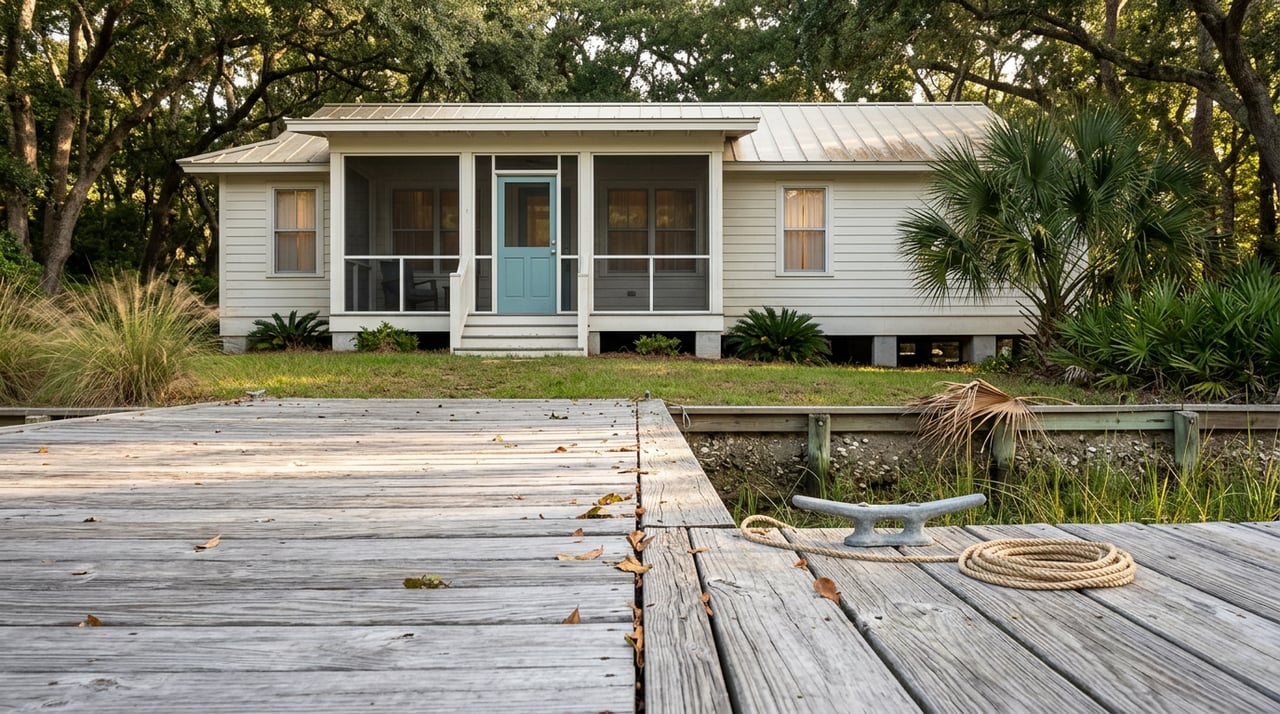
On a waterfront home, the dock and seawall are not side issues. They are major components of the property, and they can be expensive to repair or replace.
Florida DEP's dock permitting guide explains that some single-family dock projects may be self-certified, while more complex work or projects in sensitive waters may require a fuller Environmental Resource Permit and state-owned submerged lands authorization. The guide also notes that over-water area calculations include roofs, canopies, and decking, and exempt dock sizes can be tighter in canals inside sensitive waters.
Local permit records in Crystal River show that dock, lift, riprap, and seawall work often comes with specific conditions. These may include limits on extension over sovereign submerged lands, required state and federal approvals, flood-zone electrical standards, or removal of older structures before replacement.
What hidden costs often look like
When buyers run into surprise expenses, they often involve shoreline improvements. Ask for:
- Dock and lift permit history
- As-built documents, if available
- Seawall repair dates
- Lift capacity details
- Records of additions or replacements
- Confirmation that later improvements were approved
County reviewers have also flagged undocumented floating docks as non-conforming in some cases, according to local permit examples. That is why a visual inspection alone is not enough.
A practical buying checklist
If you want a more confident purchase, focus on these five areas during your search:
1. Confirm the parcel details
Review lot size, waterfront type, and the overall setup of the site. Crystal River South includes a mix of small lots and larger tracts, so the parcel itself can shape your options.
2. Match the home to your water use
Think beyond the words "waterfront" or "canal front." Your questions should center on boat size, lift needs, paddling access, and how often you plan to be on the water.
3. Check seasonal access realities
Make sure you understand winter manatee rules and any restricted zones that may affect your route or preferred activities. This is especially important if you plan to use the property most during cooler months.
4. Price insurance early
Get flood and wind quotes as soon as the property becomes a serious option. Insurance can meaningfully change the total carrying cost.
5. Treat dock and seawall review like a major inspection item
Ask for records, not just verbal answers. Permit history and structural condition can tell you far more than listing photos.
Why local guidance helps
Buying waterfront and canal homes in Crystal River South is different from buying a typical inland property. You are balancing lifestyle goals with waterfront infrastructure, environmental rules, and parcel-specific insurance questions.
That is where hyper-local guidance can make the process smoother. When you work with a team that knows Citrus County and understands how waterfront details affect your purchase, you can ask better questions, compare properties more clearly, and move forward with more confidence.
If you are exploring waterfront or canal homes in Crystal River South, Sugarmill Woods can help you search available properties and evaluate the practical details behind the view.
FAQs
What should you verify before buying a waterfront home in Crystal River South?
- You should verify the flood zone, elevation certificate availability, insurance costs, dock and seawall permit history, and how the property's water access works year-round.
How do manatee rules affect waterfront homes in Crystal River South?
- Seasonal manatee protections can limit access in certain areas from November 15 through March 31, including sanctuary closures and restrictions on motorized vessels and paddlecraft in some locations.
Why is flood insurance important for Crystal River South waterfront homes?
- Flood insurance matters because standard homeowners insurance usually does not cover flood damage, and federally backed mortgages often require flood coverage in Special Flood Hazard Areas.
What should you ask about a dock or seawall on a Crystal River South property?
- You should ask for permit history, repair dates, lift capacity, as-built records if available, and confirmation that any additions or replacements were properly approved.
Are lot sizes consistent for waterfront homes in Crystal River South?
- No. Property appraiser records show a mix of smaller waterfront lots, vacant lots, and some much larger tracts, so each property should be evaluated on its own setup and potential.