If you have been thinking about a place where you can enjoy Florida's cooler months, get on the water in summer, and still keep ownership practical, Homosassa Springs deserves a closer look. Seasonal buyers are often balancing lifestyle, maintenance, taxes, insurance, and rental rules all at once. This guide will help you understand what makes vacation and seasonal homes in Homosassa Springs appealing, what property types you will find, and what to verify before you buy. Let’s dive in.
Why Homosassa Springs Draws Seasonal Buyers
Homosassa Springs offers a lifestyle that lines up well with how many second-home owners actually use their property. In winter, the area is known for its connection to the Homosassa spring system, which Florida State Parks describes as a first-magnitude spring and a warm-water haven for wintering West Indian manatees. You can also view manatees year-round at Ellie Schiller Homosassa Springs Wildlife State Park.
That natural setting is a big reason buyers return to this part of Citrus County season after season. For many people, the appeal is simple: cooler winter escapes, nature-driven recreation, and a slower pace that still feels active and engaging.
Summer brings a different kind of draw. The area is also tied to boating and scalloping, with the Florida Fish and Wildlife Conservation Commission listing Citrus County in the bay-scallop season, which runs from July 1 through Sept. 24 in the current guidance. FWC also notes that most recreational scallop harvesters need a Florida saltwater license.
Put together, that creates a strong seasonal rhythm. Many buyers are attracted to the idea of winter wildlife viewing and summer days on the water, which makes Homosassa Springs appealing as more than a place to visit. It can be a place you use throughout the year.
Property Types You Can Find
One of the biggest advantages in the Homosassa Springs area is variety. According to the Citrus County Property Appraiser neighborhood coding, the broader Homosassa market includes areas such as Riverhaven Village, Woods N Waters, Homosassa, Homosassa Springs Gardens, Chassahowitzka, and Riverview Mobile Estates.
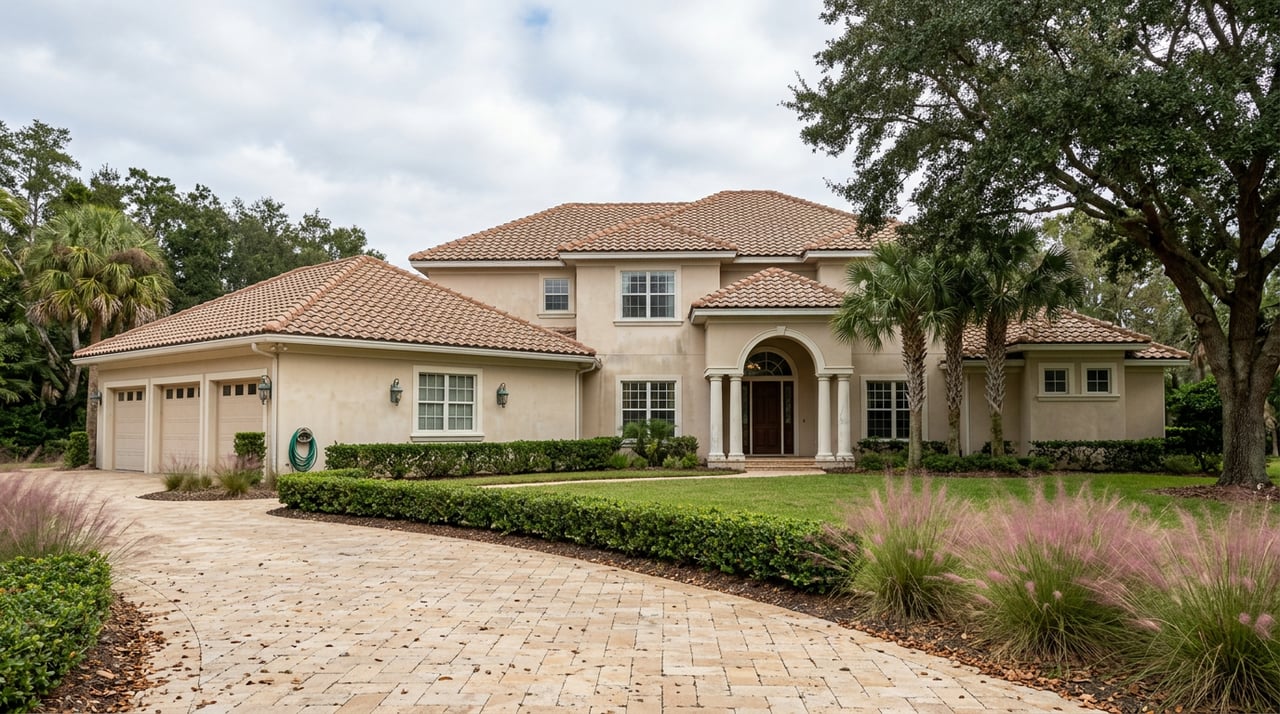
That mix matters because seasonal buyers do not all want the same thing. Some want a single-family home with room for longer stays. Others prefer a villa or condo with less exterior upkeep, while some buyers focus on manufactured-home pockets or RV-style communities for flexibility and affordability.
Nearby Sugarmill Woods is also a major consideration if you are searching in the Homosassa area. It is broken out into Cypress Village, Oak Village, Southern Woods, and several condo and villa associations, creating more options for buyers who want a deed-restricted community with a neighborhood identity. As noted in the Sugarmill Woods neighborhood guide, Cypress Village is the largest village, Oak Village is the second largest and includes the Oak Village Sports Complex, and Southern Woods is the smallest of the three major deed-restricted communities.
Choosing the Right Seasonal Home Setup
The best vacation home is not always the biggest or the newest. It is the one that matches how you plan to use it.
If you expect shorter visits and want simpler maintenance, a condo or villa may be a good fit. If you plan to stay for extended winter stretches, host family, or store more gear for boating and recreation, a single-family home may give you the space and privacy you want.
As you compare options, think about:
- How many months each year you plan to stay
- Whether you want lower exterior maintenance
- If you need room for guests, hobbies, or water gear
- Whether the community has deed restrictions that affect parking or leasing
- How far the property is from the activities you care about most
This is where hyper-local guidance can make a big difference. In an area with multiple villages, association structures, and housing styles, the right fit often comes down to details that are easy to miss in an online search.
Rental Rules Matter More Than Many Buyers Expect
A common mistake with second-home shopping is assuming every vacation property can double as a short-term rental. In Homosassa Springs and nearby communities, that is not always the case.
At the state level, the Florida Department of Business and Professional Regulation says a whole unit generally needs a license if it is rented more than three times in a calendar year for periods under 30 days, or if it is advertised or held out as regularly rented to guests. These properties are typically licensed as vacation rentals in condo or dwelling categories.
Local community rules can be stricter. For example, Cypress Village seller information states that transient accommodations are not allowed, short-term rental platform advertising is prohibited, leases must be at least six months or 180 days, and leasing is limited to two times in any 12-month period.
That is an important distinction. A home that works beautifully as your personal seasonal retreat may not work as a legal Airbnb or VRBO-style rental.
Before you buy, confirm:
- HOA or POA leasing rules
- Condo association documents, if applicable
- Local restrictions on advertising or guest occupancy
- Whether your intended use fits state licensing requirements
For buyers who want flexibility, this step should happen early in the search process, not after you go under contract.
Budgeting for Taxes and Insurance
Second-home ownership costs in Homosassa Springs should be reviewed carefully, especially if you are comparing listings based on the seller’s current tax bill. Citrus County makes clear that homestead exemption applies only to a permanent Florida resident who owns and occupies the property as of Jan. 1, and it does not transfer automatically after a sale.
The county property appraiser also notes that assessed values can reset after a change in ownership. In practical terms, if you are buying a true vacation or seasonal home, you should budget using non-homestead expectations instead of assuming the current owner’s tax amount will carry over.
Insurance deserves the same careful review. In a river-and-springs market, flood planning is part of the ownership conversation. The National Flood Insurance Program says most homeowners insurance does not cover flood damage, and flood insurance may be required in Special Flood Hazard Areas when a government-backed mortgage is involved.
Because flood risk can vary by address, it is smart to check the exact parcel rather than making assumptions based on the neighborhood name alone. The NFIP eligibility guidance is a useful starting point when you want to understand map-based requirements.
Storm Prep and Absentee Ownership
If you will only live in the home part of the year, ownership planning should include storm readiness and local oversight. Florida emergency management advises residents to prepare for hurricane season starting June 1 and to keep at least seven days of supplies.
For seasonal owners, preparation is not just about what happens while you are home. It is also about what happens when you are away. You may need someone local to coordinate inspections, provide vendor access, and help make sure the property is storm-ready before a weather event.
That is one reason community structure matters. In Sugarmill Woods, civic and association resources help residents navigate things like deed restrictions, annual assessments, RV and boat parking, security patrols, and other ownership questions, as shown on the Sugarmill Woods civic contact resources. Southern Woods also uses a property management company to support its board.
For absentee owners, having a local real estate team with property management experience can simplify ownership well beyond the sale. It can help with routine oversight, vendor coordination, and keeping the home aligned with community rules.
Questions to Ask Before You Buy
The right questions can save you time, money, and frustration. If you are comparing vacation and seasonal homes in Homosassa Springs, start here:
- Is this property intended strictly for personal use, or do you want rental flexibility?
- Does the village or association allow the lease length you have in mind?
- Are club or sports amenities included in dues, or are they separate private memberships?
- What are the expected taxes after purchase if the property will not be homesteaded?
- Is the exact address in a flood zone that may affect insurance or financing?
- Who can help monitor and maintain the property when you are out of town?
On the amenities question, it is worth being specific. Sugarmill Woods civic materials note that the country club, Oak Village Sports Complex, and Citrus National Golf Club are privately owned, which means buyers should verify what is included and what requires separate membership.
Why Local Guidance Helps
Seasonal-home decisions often look simple at first. Then the real details show up: flood maps, lease restrictions, tax assumptions, association documents, and whether the home works for your lifestyle in both January and July.
That is where local experience matters. A team that understands Sugarmill Woods, Homosassa, and nearby Citrus County neighborhoods can help you narrow the search based on how you actually plan to use the property, not just what looks good on a listing feed.
If you are exploring vacation and seasonal homes in Homosassa Springs, Sugarmill Woods can help you compare neighborhoods, understand ownership considerations, and find a property that fits your goals for personal use, rental planning, or absentee ownership support.
FAQs
What makes Homosassa Springs appealing for a seasonal home?
- Homosassa Springs attracts seasonal buyers with year-round manatee viewing, access to the Homosassa spring system, and seasonal boating and scalloping opportunities in Citrus County.
Can you use a Homosassa Springs vacation home as a short-term rental?
- Not always. Florida licensing rules may apply to whole-home rentals under 30 days, and some communities, such as Cypress Village, have stricter lease rules that prohibit transient accommodations.
Do vacation homes in Homosassa Springs qualify for homestead exemption?
- Generally, no. Citrus County says homestead exemption is for a permanent Florida resident who owns and occupies the property as of Jan. 1, so true second homes should usually be budgeted as non-homestead properties.
Do Homosassa Springs seasonal homes need flood insurance?
- It depends on the exact property location and financing. NFIP guidance says most homeowners insurance does not cover flood damage, and some homes in Special Flood Hazard Areas may require flood insurance.
Are Sugarmill Woods amenities included with every home purchase?
- Not necessarily. Sugarmill Woods civic resources state that the country club, Oak Village Sports Complex, and Citrus National Golf Club are privately owned, so buyers should verify whether separate memberships apply.
What should absentee owners look for in a Homosassa Springs property?
- Absentee owners should pay close attention to community rules, storm preparation needs, flood considerations, and whether local property management or oversight is available to help when they are away.