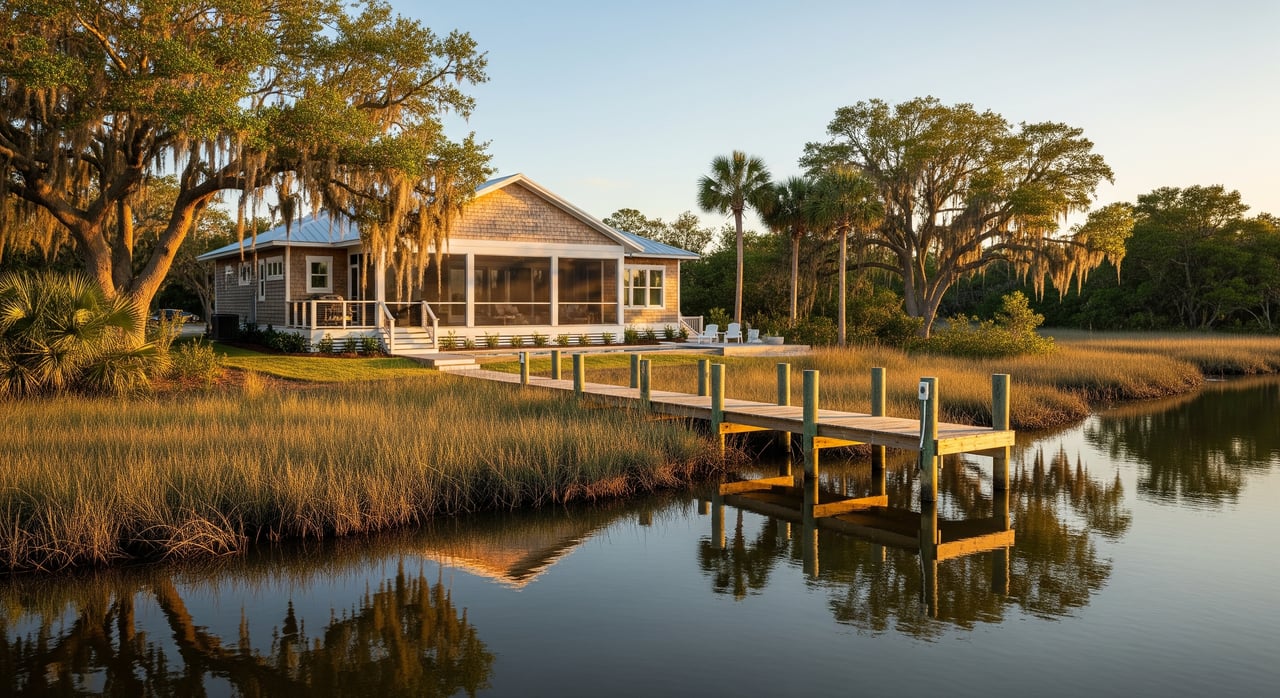
Thinking about renting out a home in Inglis or Yankeetown but not sure if a long-term lease or a seasonal vacation rental will serve you best? You’re not alone. Many owners in ZIP 34498 weigh steady year-round cash flow against the higher peak-season potential the Gulf Coast can bring. In this guide, you’ll learn how demand works in Inglis/Yankeetown, what expenses and risks to plan for, and a simple framework to model your returns with confidence. Let’s dive in.
Why 34498 attracts renters
Inglis and Yankeetown sit where the Withlacoochee River meets the Gulf of Mexico. The area draws visitors for fishing, boating, river access, and nearby nature. That outdoor lifestyle fuels seasonal demand, especially among winter visitors.
The market is small and more rural than big Florida beach towns. You’ll face fewer direct competitors, but the year-round guest pool is smaller. Demand rises in late fall through early spring, then eases in late spring and summer, especially mid-week.
For owners, that means short-term success often depends on peak months and niche appeal, while long-term rentals lean on consistent local housing needs.
Seasonal vs. long-term: what to expect
Who typically rents
- Seasonal and short-term guests: winter visitors from roughly November through April, weekend anglers and boaters, and families over holidays.
- Long-term tenants: local workforce, retirees wanting low-maintenance housing, and residents seeking a stable year-round lease.
Revenue patterns
- Seasonal/short-term can earn higher nightly rates in peak months, especially for furnished homes with water access and strong reviews.
- Long-term leases usually deliver lower gross income than peak nightly equivalents, but cash flow is steadier and easier to budget.
Vacancy and risk
- Short-term vacancy is more volatile and sensitive to seasonality and events. Off-season weeks can sit empty without proactive pricing and marketing.
- Long-term vacancy is typically lower if you price correctly and screen well, but replacing a defaulting tenant can take time.
Head-to-head comparison
| Factor | Short-term/Seasonal | Long-term (Annual) |
|---|---|---|
| Revenue pattern | Higher nightly rates in peak months; variable off-season | Predictable monthly rent; fewer spikes |
| Occupancy risk | Higher, with pronounced seasonality | Lower, if local demand is steady |
| Management workload | Daily guest communication, turnovers, marketing | Monthly rent collection, maintenance, renewals |
| Management fees | Often about 20–35% of revenue | Often about 8–12% of rent |
| Utilities | Usually paid by owner | Often paid by tenant |
| Setup costs | Full furnishing and supplies | Minimal furnishing if unfurnished |
| Wear and tear | Higher due to frequent turnovers | Lower day-to-day traffic |
Expenses you must model
Core operating costs
Budget for mortgage, property taxes, insurance, maintenance, landscaping or dock upkeep, HVAC servicing, and reserves for capital items. In Florida coastal areas, insurance availability and premiums can fluctuate. Build a contingency for storm-related deductibles and repairs.
Short-term rentals usually include electric, water, internet, and streaming or cable. Long-term leases often shift utilities to the tenant, depending on the lease.
Turnovers, cleaning, and supplies
Short-term turnovers drive recurring costs: cleaning, linen laundering, restocking, and minor fixes. Cleaning fees vary with home size and local labor rates. Decide if you will pass a cleaning fee to guests or absorb part of it.
Management and platform fees
- Short-term property management is commonly quoted around 20 to 35 percent of rental revenue, often including marketing, guest communication, cleaning coordination, and pricing.
- Long-term property management often ranges around 8 to 12 percent of monthly rent, depending on services.
- Short-term platforms typically charge booking or host fees. Include these in your pro forma.
Taxes and compliance
Short-term rentals in Florida generally trigger state sales tax and may trigger county transient rental taxes. Long-term leases of 30 days or more may be treated differently. Verify current rules through the Florida Department of Revenue and the Levy County Tax Collector. Confirm whether registration, inspections, or special licensing applies in Levy County, Inglis, or Yankeetown, and check any HOA or deed restrictions.
Day-to-day management differences
Running a short-term rental
Expect active operations: inquiries, bookings, pre-arrival messages, self-check-in or key handoff, frequent cleanings, and quick response to guest issues. You’ll need a plan for 24/7 emergencies, dynamic pricing, and reputation management through reviews. Higher guest churn can increase wear and tear and linen replacement.
Running a long-term rental
Your focus shifts to tenant screening, lease execution, rent collection, periodic inspections, and maintenance. You may encounter longer legal timelines if a tenant defaults, but the day-to-day cadence is lighter.
Systems and vendors that help
Smart locks and thermostats can streamline access and energy costs. Consider channel managers and pricing tools if you list across multiple platforms. Keep a reliable local team for cleaning, handyman work, landscaping, HVAC, and an on-call contact for emergencies.
Build your ROI model
Pull the right comps
- Short-term: look at similar homes on major vacation platforms. Filter for waterfront or boat access, guest capacity, and distance to the river or a marina. Collect average nightly rates and expected occupancy by month.
- Long-term: review comparable 2 to 4 bedroom rentals through local listings and property managers. Note time-on-market and lease terms.
Track the key metrics
- Average nightly rate by month and expected occupancy by month.
- Cleaning and turnover costs per booking and who pays the fee.
- Platform fees, management percentages, and utility assumptions.
- Comparable monthly rent, typical vacancies, and security-deposit norms.
- Property tax and insurance estimates for coastal use and short-term endorsements if needed.
Run three scenarios
Create conservative, base, and optimistic cases. For short-term, vary occupancy and nightly rate by season. For long-term, vary vacancy and potential concessions. Compare net operating income, cash flow after debt service, and simple ROI.
Hybrid strategies that fit 34498
- Seasonal hybrid: short-term from roughly November through April, then discounted weekly or monthly rates in the off-season to reduce empty weeks.
- Extended-stay focus: attract 30-plus day snowbirds or remote workers who want furnished stays with predictable pricing.
- Off-season tenant: consider a longer lease during slower months to smooth cash flow, then re-list short-term for peak season.
Legal, tax, and insurance checks
- Confirm whether transient rental taxes apply, how they’re collected, and how often to remit. Review whether platforms collect on your behalf.
- Check Levy County ordinances and any town rules for Inglis or Yankeetown related to registrations, safety standards, occupancy, parking, and noise.
- Review HOA or deed restrictions that could limit or prohibit short-term rentals.
- Speak with an insurance agent about policies that explicitly cover vacation-rental use, liability, and wind or hurricane provisions.
- Document safety features such as smoke detectors, egress, pool safety if applicable, and hurricane procedures.
Step-by-step plan to choose your path
- Confirm rules. Check county, municipal, and HOA requirements and tax obligations.
- Gather comps. Pull recent short-term calendars and long-term listings for similar homes in 34498.
- Price your operating costs. Get quotes for insurance, management, cleaning, utilities, and maintenance.
- Model three scenarios. Compare NOI, cash flow, and cap rate under conservative, base, and optimistic assumptions.
- Build your vendor bench. Line up cleaners, handyman, landscaper, HVAC, and an emergency contact.
- Set your launch calendar. If going short-term, target peak-season readiness and plan off-season pricing in advance.
When seasonal shines vs. when long-term wins
Seasonal/short-term shines when:
- Your property is furnished, review-ready, and close to water access or a boat ramp.
- You can price dynamically and respond quickly to guests, or you hire a manager who can.
- You can handle volatility with adequate cash reserves.
Long-term wins when:
- You prefer predictable monthly income with fewer turnovers.
- Your property is better suited to local residents or retirees seeking stability.
- You want a lighter operational load and simpler budgeting.
Final thoughts
Inglis and Yankeetown offer a unique mix of Gulf Coast leisure and small-town pace. Seasonal rentals can outperform in peak months if you execute well, while long-term leases deliver steadier cash flow. The right strategy depends on your tolerance for seasonality, your property’s features, and the systems you put in place.
If you want help pressure-testing your numbers or exploring property management options nearby, our local team is here to help. Reach out to Sugarmill Woods for friendly, data-informed guidance that fits your goals.
FAQs
What is peak season for rentals in Inglis/Yankeetown?
- Visitor demand typically rises in late fall through early spring, often around November through April, with slower periods in late spring and summer.
How do management fees compare for seasonal vs. long-term?
- Short-term management is commonly around 20–35 percent of rental revenue, while long-term management often runs around 8–12 percent of monthly rent.
What expenses are unique to short-term rentals in 34498?
- Frequent cleanings, linen replacement, restocking supplies, platform fees, and higher utility costs usually paid by the owner are typical.
Do I owe tourist or transient taxes on short stays?
- Short-term rentals in Florida generally involve state sales tax and may involve county transient taxes; verify current requirements with the Florida Department of Revenue and Levy County.
Can I combine seasonal and long-term strategies for better cash flow?
- Yes, many owners use a hybrid approach, renting short-term during peak months and offering longer stays or off-season leases to reduce vacancy.