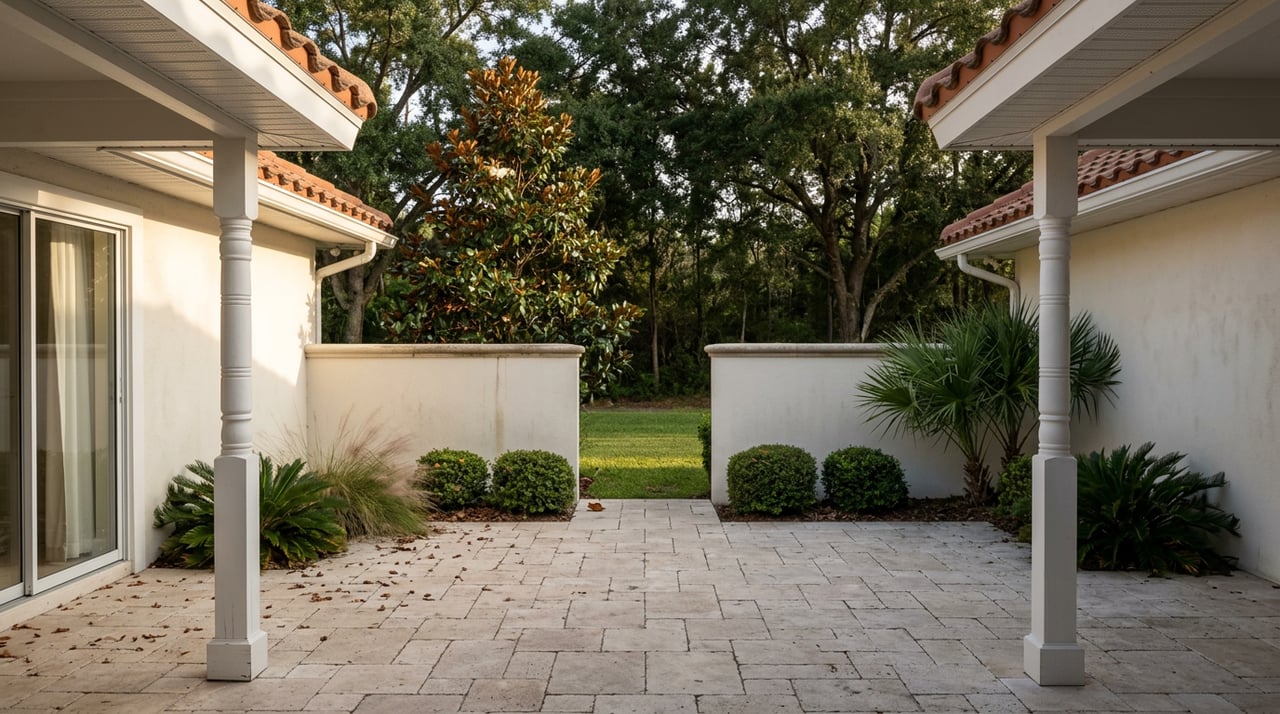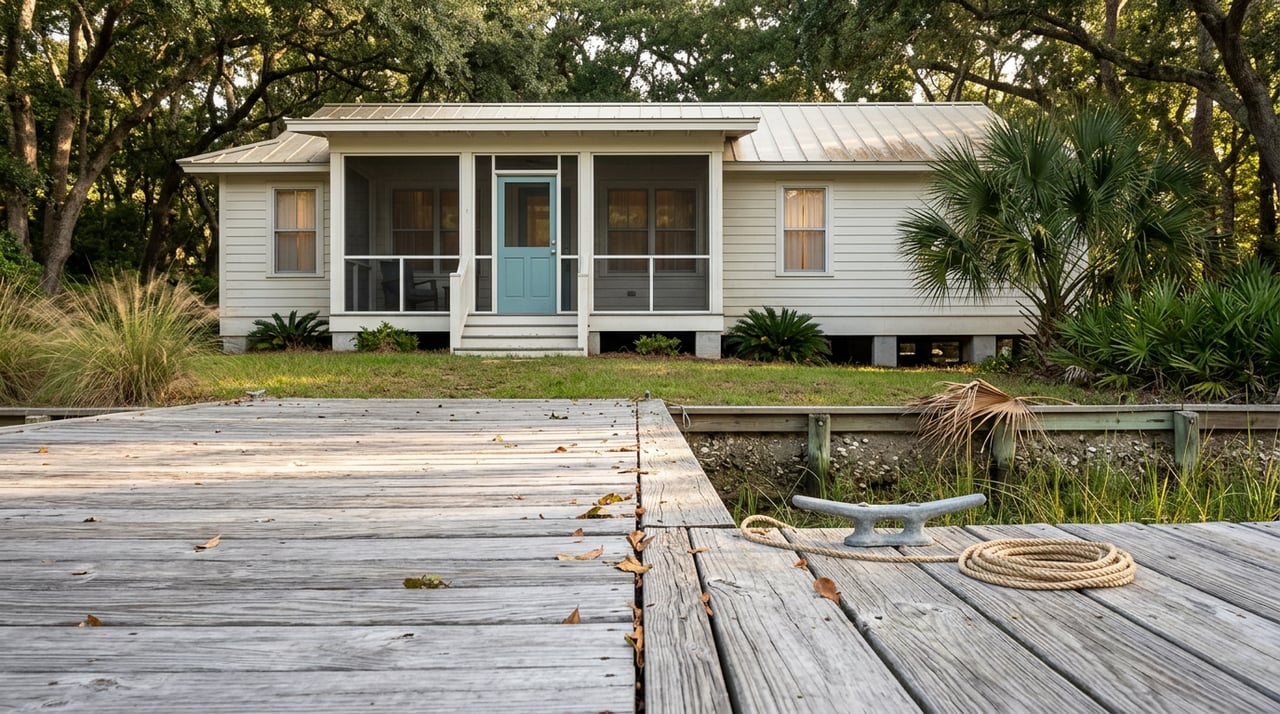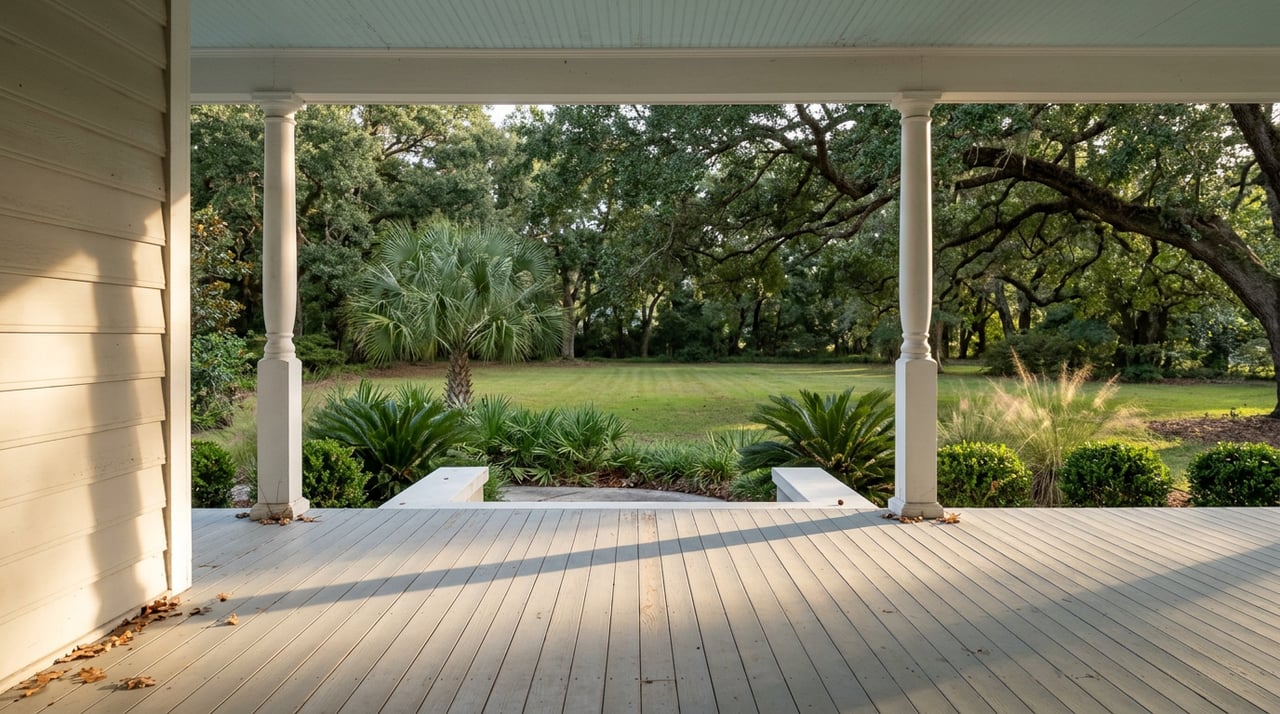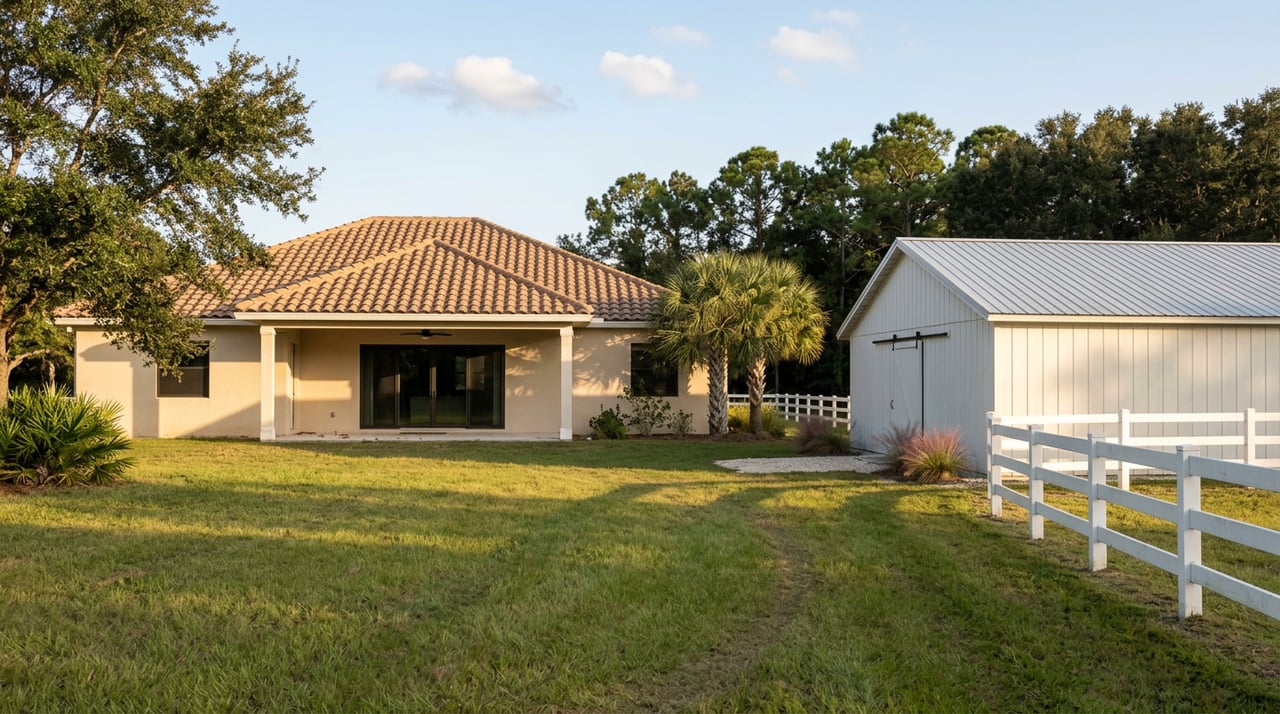
Picture this: quiet mornings on a roomy homesite where your horses graze just beyond the back fence, and miles of community trails begin at the end of your driveway. If you have been searching for acreage that fits a true riding lifestyle without giving up everyday convenience, Pine Ridge in Beverly Hills, 34465, is likely on your radar. You want clear facts on lot sizes, equestrian amenities, and the rules that shape what you can build and keep. This guide walks you through the essentials so you can plan with confidence. Let’s dive in.
Why Pine Ridge appeals to riders
Pine Ridge, often marketed as Pine Ridge Estates, is an established, deed-restricted community in Citrus County designed with horse owners in mind. Most homesites are in the 1–3 acre range, with many options up to 5 acres and occasional larger estate parcels. The setting strikes a balance between an open, rural feel and neighborhood structure.
The community promotes an internal trail system commonly described as about 27–28 miles along with a large, centralized equestrian complex reported at roughly 94 acres. You also see listings referencing a community barn and arenas, which add to the convenience if you want to ride close to home. For a quick overview of amenities often cited in listings and builder pages, review the Pine Ridge community description on the Adams Homes site, then verify details directly with the association for accuracy and current availability. You can start with the Pine Ridge community overview.
Equestrian amenities at a glance
- Centralized equestrian complex of about 94 acres with arenas and support facilities.
- Community barn referenced in multiple listings for property-owner horses.
- Internal riding and walking trail network often cited at about 27–28 miles.
- Additional community features frequently noted in listings include lighted tennis and pickleball courts, playgrounds, picnic areas, and an RC flying field.
Important note: Treat these as community-promoted features. Always confirm access rules, hours, fees, and stall availability with the association since details can change.
Zoning and deed rules you must check
Buying acreage for horses means aligning county zoning with your community’s recorded covenants. Pine Ridge is known as a rural residential, horse-friendly area, but each parcel can differ. Here is how to verify what is allowed on the lot you love.
County zoning at a glance
Many Pine Ridge parcels are shown in listing records as Rural Residential (RUR) or a similar district. Zoning labels matter because they govern permitted uses and accessory structures like barns and arenas. Citrus County’s Land Development Code sets the framework for uses, minimums, and when special approvals apply. Before you make plans, review the code and speak with county planning staff to confirm the current rules that apply to your parcel. You can reference ordinance language in the county LDC here: Citrus County Land Development Code reference.
HOA and CCRs in practice
Pine Ridge is deed-restricted. The recorded covenants can add rules beyond zoning, such as:
- Number of horses allowed per lot.
- Barn and outbuilding design standards and setbacks.
- Fencing types and colors.
- Manure handling and disposal practices.
- Access and usage rules for trails, arenas, and stalls.
Because large communities can be recorded in multiple units or sections, the CCRs and allowances can vary by location inside Pine Ridge. Always request the recorded CCRs and any architectural guidelines from the association for the specific property you are considering.
Barns and accessory buildings
If you plan to build or modify a barn, expect to work through both county permits and community approvals.
- County permits: Florida counties issue building permits under the Florida Building Code and local ordinances. Contact Citrus County Building/Permitting to confirm triggers like size, utilities, or structural changes. For the state-level authority that enables county permitting, review Florida Statutes, Chapter 125.
- HOA design review: Even if county code allows a structure, the association may have design or aesthetic standards. Request the latest architectural guidelines and approval process before drawing plans.
Water, septic, and utilities on acreage
Many parcels in Pine Ridge rely on a private well and septic system or a mix of central water and on-site septic, depending on exact location and service availability. Plan for:
- Septic system siting and drainfield space.
- Well placement or confirmation of central water connection.
- Utility access for barns or future arenas.
Citrus County lies within the Southwest Florida Water Management District. Seasonal watering restrictions and well permitting can affect irrigation plans for pastures and landscaping. You can get oriented to district resources here: Southwest Florida Water Management District overview. Always confirm current local watering rules and permits before installing irrigation.
How much acreage per horse
How many horses your parcel can comfortably support depends on pasture quality, management, and how much you supplement with hay and feed. UF/IFAS provides Florida-specific guidance that is a helpful planning baseline:
- A common rule of thumb is roughly 1 to 2.5 acres per mature horse, depending on forage productivity and management.
- Rotational grazing and thoughtful stocking rates protect pasture health.
On a 1–3 acre lot, you may comfortably keep one horse with good management, and potentially more with supplemental feeding and careful rotation. Review the UF/IFAS overview on stocking rates and rotational grazing here: UF/IFAS pasture and stocking guidance.
Manure and environmental best practices
Florida’s climate and soils make smart manure handling essential for animal health and water quality. UF/IFAS recommends composting or managed removal of stall waste before spreading, along with practices that reduce parasites and protect local resources. Plan a dedicated manure management area, and confirm any community rules on storage and disposal. Start with UF/IFAS guidance here: Managing Manure on Small Horse Farms.
Fencing and paddock layout
Safe, serviceable fencing and daily-use areas help your horses and your property thrive.
- Fencing: Wood post-and-rail, vinyl, or safe electric options are common. Confirm fence heights, materials, and setbacks with both the county and the association.
- Paddock planning: Create safe gate placements, a sacrifice lot for wet or drought conditions, and vehicle access for hay delivery and waste removal.
For rotational grazing insights that inform paddock layouts, see the UF/IFAS guidance on Florida pastures: UF/IFAS pasture and stocking guidance.
Nearby riding beyond the neighborhood
Citrus County offers regional recreation that many riders enjoy. The Withlacoochee State Trail runs through the county as a paved multi-use trail, and equestrian activities exist adjacent to the paved path in certain areas. Learn more about the trail’s amenities and experiences on the Withlacoochee State Trail page and confirm local equestrian access details before you go.
Your due-diligence checklist
Use this quick list to move from dream to done.
- Verify zoning and parcel data with Citrus County Planning and Land Development. Ask for the current zoning designation and any overlays. Reference the county LDC for permitted uses: Citrus County LDC reference.
- Request the recorded CCRs, architectural guidelines, fee schedule, and equestrian facility rules from the Pine Ridge association.
- Confirm building permits for barns or arenas with Citrus County Building/Permitting. Review the state authority for county permitting here: Florida Statutes, Chapter 125.
- Clarify well and septic needs for your specific lot. Ask about any required evaluations and setbacks.
- Consult UF/IFAS Extension on pasture types suited to central Citrus County and realistic stocking rates: UF/IFAS pasture and stocking guidance.
- Plan manure management that meets UF/IFAS best practices and any HOA standards: Managing Manure on Small Horse Farms.
- Check SWFWMD watering restrictions and well permitting before installing irrigation: Southwest Florida Water Management District overview.
Local guidance you can trust
Choosing acreage in Pine Ridge is exciting, but the best outcomes start with good information. Our team lives and works in Citrus County and can help you match the right property to your equestrian plans. We coordinate with the association, planning and permitting offices, and UF/IFAS contacts, so you feel confident from offer to move-in. If you are buying land for a future build, a move-in ready home with horse-friendly features, or planning for seasonal use with property management support, we are ready to help.
Have questions or want to see current acreage listings in Pine Ridge and nearby Citrus County neighborhoods? Reach out to Sugarmill Woods to start your search with a local, full-service team.
FAQs
What lot sizes are typical in Pine Ridge 34465?
- Most homesites are in the 1–3 acre range, with many options up to 5 acres and occasional larger estate parcels, based on community and listing materials.
Are horses allowed on all Pine Ridge properties?
- Many parcels are marketed as horse-friendly, but allowances vary by zoning and recorded CCRs, so you must verify both for the specific lot before you buy.
How many horses can I keep per acre in Citrus County?
- UF/IFAS guidance suggests roughly 1 to 2.5 acres per mature horse depending on pasture productivity and management, and CCRs may set additional limits.
Do I need a permit to build a barn in Pine Ridge?
- Most permanent accessory buildings require county permits under the Florida Building Code, and the HOA may require design approval, so confirm both processes.
What equestrian amenities does Pine Ridge promote?
- Community materials commonly reference a 94-acre equestrian complex, a community barn, arenas, and about 27–28 miles of internal trails; confirm current details with the association.